Faith-based pain management support pairs real medical care with your spiritual life, so you treat chronic back and joint pain without feeling you have to choose between your health and your deen. For many Muslim women, pain does not stay in the body. It presses on prayer, on sleep, on the ability to care for a family, and on the quiet question of why this is happening at all.
That question matters. A plan that ignores it tends to fall apart. This guide explains why faith belongs in your coping toolkit, how Islamic concepts shape resilience, and what faith-based pain management support actually looks like on an ordinary day.
Why faith-based pain management support matters
Chronic pain is common, and it weighs heavily on women. In 2023, 25.4% of U.S. women reported chronic pain in the past three months, compared with 23.2% of men, according to the CDC's National Center for Health Statistics (CDC NCHS Data Brief No. 518, 2024). For many Muslim women, that daily reality runs straight through their worship.
When back or joint pain makes it hard to stand for salah, kneel in sujood, or sit through a gathering, the loss feels spiritual as well as physical. Faith is not a side topic here. It shapes how you interpret the pain and how you keep going.
Spiritual practice is also one of the tools patients reach for most. Research on people living with chronic pain finds that prayer sits among the leading coping strategies, used alongside medical treatment rather than instead of it. Honoring that instinct, instead of treating it as separate from care, is the core idea behind faith-based support.
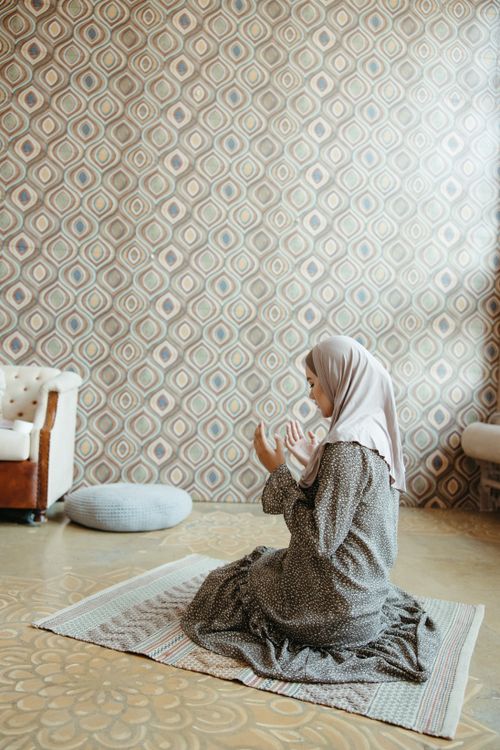
How sabr and tawakkul shape pain resilience
Two Islamic concepts carry real weight for anyone managing a long-term condition: sabr and tawakkul. Sabr is patient perseverance, the steady choice to keep showing up even when progress is slow. For chronic pain, that is not a vague virtue. It is what gets you to the physical therapy session, the daily stretch, and the next appointment.
Sabr reframes pain as something you move through with patience rather than a verdict on your worth. It makes room for grief without letting grief take the wheel.
Tawakkul is trust in Allah after you have taken your means. It does not mean skipping treatment and hoping for the best. The Prophetic teaching to tie your camel and then trust captures it well: you do the medical work, then you release the outcome. That release matters because anxiety and dread often sharpen how pain feels. When you stop bracing against every "what if," the body and mind both soften a little.
In coaching Muslim women through long-term pain, the change that helps most is separating the pain you treat from the outcome you surrender. Sabr covers the effort. Tawakkul covers the result. Naming that split out loud gives many women permission to keep working without carrying the whole weight of what happens next.
Held together, sabr and tawakkul build a kind of resilience that purely clinical plans rarely address, because they speak to meaning, not just symptoms.
Combining medical guidance with spiritual practice
Faith practice supports coping, but it never replaces diagnosis and treatment. The strongest results come from doing both: follow a qualified clinician's guidance for your back or joint condition, then layer spiritual tools on top. Skipping the medical half is not tawakkul. It is neglecting the means you were told to take.
Start with the clinical foundation. A proper assessment can identify what is driving your pain and which treatments fit, from guided movement to medication. Reputable medical institutions outline evidence-based options for back pain, including physical therapy and activity, in plain language (Mayo Clinic, 2024). Chronic pain overviews from major hospitals also describe multimodal care, which blends several approaches rather than relying on one (Cleveland Clinic).
On top of that foundation, spiritual practice does quiet, useful work:
- Salah and gentle movement can be adapted so you keep worshiping within your limits, seated if needed.
- Dhikr and breathing give the nervous system something steady to hold during a flare.
- Dua turns the helpless moments into something active, a conversation rather than a wall.
The goal is integration. Your treatment plan and your worship should sit in the same day, supporting each other.
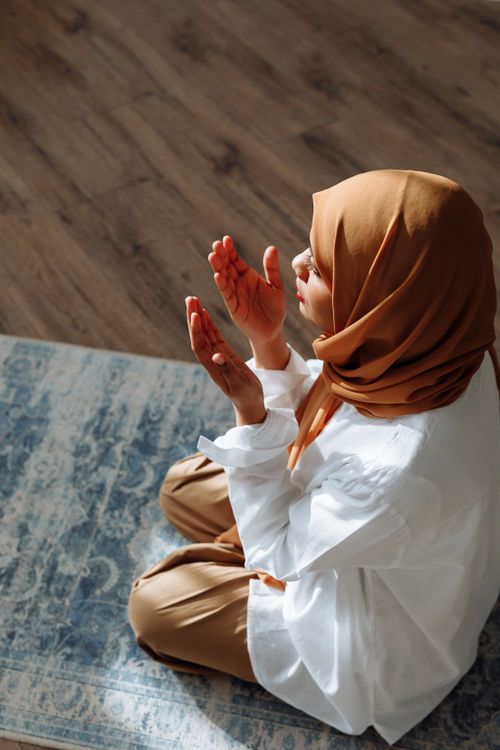
Finding support that honors your beliefs and routines
Why do so many Muslim women stop short of asking for help with pain? Often the available support assumes a life that is not theirs. Generic programs may schedule sessions across prayer times, dismiss modesty needs, or treat faith as an obstacle to manage rather than a strength to build on.
Support that honors your beliefs looks different. It respects salah times when scheduling. It understands why a woman might prefer certain settings for movement or treatment. It does not ask you to set aside your worship to get well, and it does not pretend that faith alone will fix a herniated disc.
This is the gap Thechronicshift was built to close. Its coaching and courses are made for Muslim women managing chronic back and joint pain, so faith-conscious guidance and practical pain support arrive together instead of pulling in opposite directions. The work stays in its lane: coaching and education that sit alongside your own doctor's care, never in place of it.
When you look for support, ask three plain questions. Does it respect my prayer and routines? Does it still take the medical side seriously? Does it leave me with habits I can actually keep? Honest support answers yes to all three.
What faith-based pain management support looks like day to day
Day to day, faith-based pain management support is mostly small, repeatable habits rather than grand gestures. Many chronic pain patients say they want spiritual aspects woven into their care, not bolted on afterward. In practice, that weaving shows up in how an ordinary day is built.
A typical day might run like this:
- Morning: A short, doctor-approved mobility routine before or around Fajr, paired with a brief intention for the day.
- Through salah: Adapted positions when a flare makes standing or sujood hard, so worship continues without injury.
- Midday: A pacing check. Sabr here means not overdoing a good hour and paying for it all evening.
- During flares: Dhikr and slow breathing to steady the nervous system, plus the practical steps your clinician gave you.
- Evening: Gentle reflection and dua, closing the day by surrendering the outcome through tawakkul.

None of this is dramatic, and that is the point. Resilience with chronic pain is built from ordinary days done consistently, with both the medical and the spiritual honored.
If pain has been pulling you away from the life and worship you want, choose one small step this week: book an assessment with a qualified clinician for your back or joint pain, and pick a single faith practice, dhikr during flares, or an adapted salah routine, to start alongside it. From there, a program like Thechronicshift can help you turn those two threads into a daily rhythm you can actually keep.