If you are wondering whether halal supplements for joint health can ease your aches, the honest answer is that some are modestly helpful for some people, and the bigger task is checking both their permissibility and their evidence. This guide walks you through what is actually studied, how to read a label for halal certification, and the questions worth asking your doctor before you spend a penny.
Living with chronic back and joint pain already asks so much of you. The last thing you need is to pour hope, money, and energy into a bottle that was never going to help, or that you later discover was never halal to begin with. So let us slow down and look at this calmly, together.
Which halal supplements for joint health are commonly studied?
The supplements most often researched for joints are glucosamine and chondroitin, omega-3 fish oil, collagen, vitamin D, and curcumin from turmeric. The evidence for each is uneven, and none is a cure. Joint pain is genuinely common, which is partly why so many products exist. Worldwide, around 528 million people were living with osteoarthritis as of 2024, and about 60% of them are women (World Health Organization, 2024).
Here is a gentle overview of what is usually in the conversation:
- Glucosamine and chondroitin: often taken together for osteoarthritis, with mixed results.
- Omega-3 fish oil: studied mainly for inflammatory joint conditions.
- Collagen: popular for cartilage and connective tissue, though sourcing matters a great deal for halal status.
- Vitamin D: important for bone health, especially if you spend little time in sunlight or wear modest clothing outdoors.
- Curcumin (turmeric): researched for its anti-inflammatory properties.
None of these replaces the slower, steadier work of movement, rest, and medical care. Think of them as one small lever among many, not the whole machine.
How do you check for halal certification and ingredients?
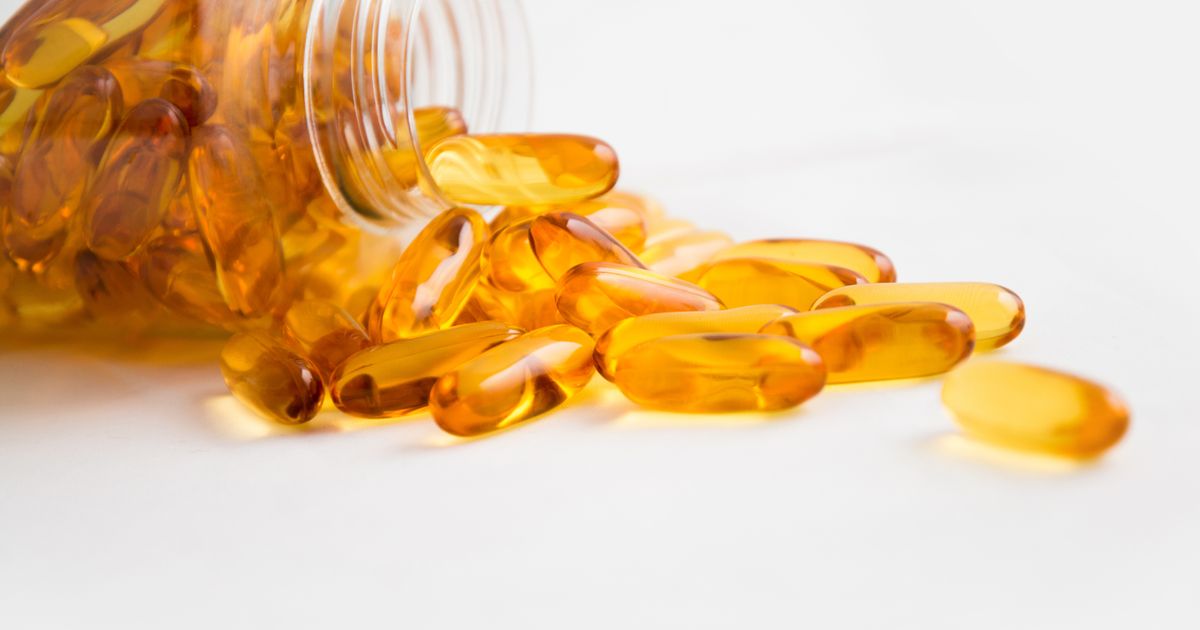
The single most common halal issue in joint supplements is the capsule shell, not the active ingredient inside it. Many capsules are made from gelatin, which can come from porcine, bovine, or fish sources. Porcine gelatin is never permissible, and bovine gelatin is only acceptable when it comes from halal-slaughtered animals with proper documentation.
When you pick up a bottle, look for a few specific things:
- Capsule type: words like "vegetable capsule," "HPMC," or "pullulan" signal a plant-based shell. A plain "gelatin capsule" with no source named is best avoided unless it is certified.
- A recognised halal mark: certifying bodies such as IFANCA, the Halal Food Authority in the UK, JAKIM, or MUI apply standards to the whole product, including the capsule.
- Collagen and gelatin sources: marine or fish-derived options are usually the simplest to confirm.
- Liquid tinctures: some use alcohol as a solvent, so check for an alcohol-free note or halal certification.
One quiet reality is worth naming. Gelatin sources cannot be told apart in a finished product by looking or tasting. Halal status rests entirely on documentation and certification, which is why a trusted mark carries real weight. If a label is vague, it is reasonable to email the manufacturer and ask directly.
What should you ask your doctor before starting?
Before starting any supplement, ask your doctor or pharmacist four things: whether it interacts with your current medicines, whether it suits your particular condition, what a sensible dose is, and how long to trial it. This matters because "natural" does not mean "harmless," and some supplements genuinely affect how other treatments work.
Omega-3 and some other supplements can thin the blood, which is a real concern if you already take blood-thinning medication. Curcumin can interact with certain drugs too. Your doctor knows your full picture in a way no label ever can.
A short, written list helps here, especially on a foggy day when words are hard to find. If you find these conversations draining, our guide on how to talk to your doctor about chronic pain offers gentle scripts you can adapt. Bringing the actual bottle, or a photo of the ingredients panel, saves everyone time.
Reflective question: if a supplement did help you even a little, how would you know? Deciding in advance what "better" looks like for you makes the trial far easier to judge.
What results are realistic?
Keep your expectations gentle, because the evidence for joint supplements is modest and varies widely between people. In a 2024 Cochrane review of 43 trials involving 9,110 participants, chondroitin reduced pain by about 10% on a 0 to 100 scale compared with placebo in shorter studies, a small to moderate benefit drawn from mostly low-quality trials (Cochrane, 2024).
A 10% shift might feel meaningful to one person and barely noticeable to another, which is why personal trial matters so much. Omega-3 shows some signal for tender, inflamed joints, though broader inflammation markers often do not move much. The honest summary across most of these supplements is the same: some people feel a gentle improvement, many feel little, and the effect tends to build slowly over weeks rather than days.
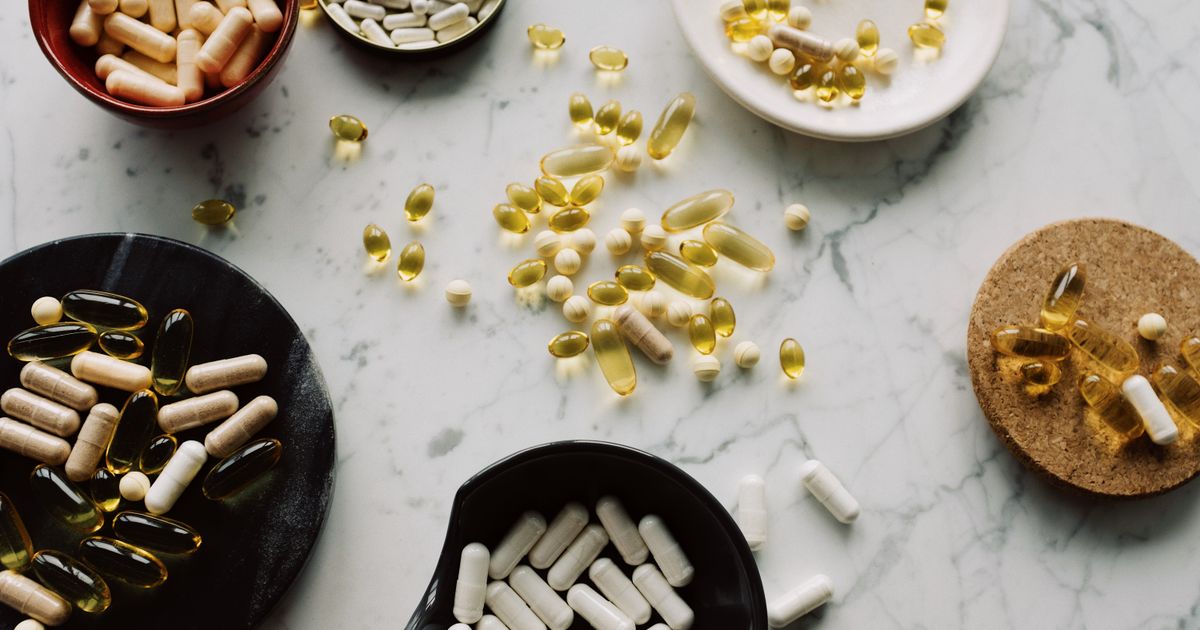
If you try something for six to eight weeks and notice no difference, it is perfectly reasonable to stop. There is no virtue in persevering with a bottle that is not serving you. Tracking how you feel can make this clearer than memory alone.
How do supplements fit alongside lifestyle changes?
Supplements work best as a quiet support to the daily habits that carry more weight: gentle movement, decent sleep, nourishing food, and stress care. On their own they rarely shift much. Alongside steady routines, they may add a little. This is where the slow, compassionate work tends to matter most.
A few small shifts often do more than any capsule:
- Gentle, regular movement to keep joints mobile without overdoing it.
- Anti-inflammatory eating built around whole foods, which also supports gut health.
- Warmth and rest during flares, paced so you do not pay for it later.
- Spiritual steadiness through salah, dhikr, and istighfar, which can soften the emotional weight of a painful day.
There is comfort in remembering that you are not expected to carry this alone or to fix it all at once. Allah's mercy makes room for limits, for rest, and for small, sustainable steps. At The Chronic Shift, this is exactly where we sit with you: blending functional nutrition, Acceptance and Commitment Therapy, mindfulness, and restorative movement through a compassionate Islamic lens, always as a complement to your medical care, never a replacement for it.
If you decide a supplement is worth trying, start with one at a time, give it a fair window, and keep noticing what your body tells you. That patient, attentive approach, more than any single product, is what helps you make a little more room for movement, connection, and faith while living alongside your condition.