If your joints feel stiffer and louder once the cold sets in, you are not imagining it, and you are not alone. The most useful winter joint pain tips are simple: keep warm, keep moving in small ways, and protect your mood and sleep, because all three change how pain feels during the darker months.
This is written for you if you live with chronic back and joint pain and dread the drop in temperature each year. We will walk through why cold months can feel harder, and gentle, doable steps to stay more comfortable. None of this replaces your medical care. Think of it as a warm hand on your shoulder, not a list of rules.
Why cold weather can intensify joint and back pain
Cold weather does not damage your joints, but it can genuinely make pain feel louder. Muscles tense in the cold, you tend to move less, and lower mood can lower your pain tolerance. For many women this matters more than it might for others: arthritis affects about 21.5% of women compared with 16.1% of men in US adults (CDC NCHS Data Brief No. 497, 2024).
So if winter feels harder in your body, there is a real pattern behind it. The weather itself is not injuring you. What shifts is everything around the joint: tighter muscles, less daily movement, shorter days, and the quiet weight of simply bracing against the cold.
Many people with chronic joint pain describe themselves as weather-sensitive, especially to cold and damp. Whether or not science can fully measure it, your lived experience is valid. Naming the pattern is the first gentle step, because once you expect winter to ask more of you, you can prepare with more compassion instead of frustration.
A quick reflection: what does your body usually ask for first when the cold arrives? Warmth, rest, or simply slower mornings?
Keeping warm and improving circulation indoors
Warmth is one of the kindest things you can offer stiff joints in winter. Keeping your body and home comfortably warm helps muscles relax, and relaxed muscles make movement easier and pain quieter. This is low effort and high comfort, which makes it a good place to start when energy is limited.
Small, steady habits help more than one big effort. A few gentle ideas:
- Layer loose, warm clothing so you can adjust through the day.
- Keep hands and feet covered, since cold extremities can make you tense everywhere.
- Warm up before you move with a bath, a heat pack, or a warm drink.
- Keep a blanket near your prayer space and your resting spots.
Gentle heat is a well-loved tool, though it is not the only option. If you are unsure whether warmth or cooling suits your pain on a given day, experiment slowly and notice what settles your body most.
Moving between warm and cold rooms can also catch you off guard. If salah feels harder on cold mornings, setting up a warm, supported prayer space with a blanket nearby can soften the whole experience.
Gentle movement for winter joint pain
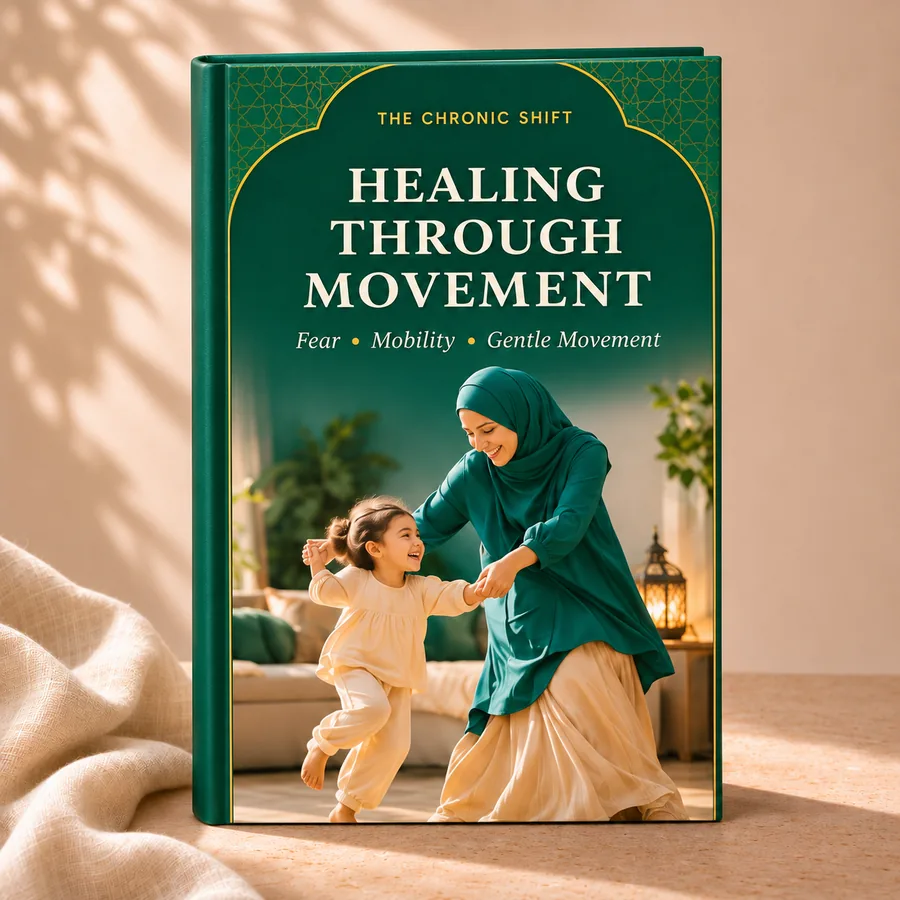
Moving a little most days is one of the most protective things you can do for painful joints, even in winter. Gentle activity keeps joints lubricated, eases stiffness, and supports your mood. The CDC suggests adults with arthritis aim for about 150 minutes of moderate activity each week (CDC Physical Activity for Arthritis, 2024), which you can break into small, kind pieces.
That number can sound daunting on a stiff, dark morning, so please read it gently. One hundred and fifty minutes across a whole week is only around 20 minutes a day, and even that can be split into a few short bursts. Two or three minutes of soft stretching counts. So does walking around the house while the kettle boils.
The same CDC guidance notes that even modest weight changes can ease arthritis pain, with a 5% loss (about 12 pounds for a 250-pound person) helping to reduce pain and improve movement. You do not need to chase that. It simply shows that small shifts, not dramatic ones, are what move the needle.
Here is a very gentle winter rhythm to try:
- Warm up first with heat or warm clothing.
- Start with slow neck, shoulder, and ankle circles.
- Add a few standing or seated stretches you already know.
- Stop before pain rises sharply, and rest without guilt.
When I am having a stiff, heavy winter day myself, I remind clients and myself of the same thing: the goal is motion, not performance. Choose movement that respects modest dress and sensitive joints, and let comfort guide how far you go.
Mood and energy support during darker days
Protecting your mood in winter is part of protecting your body. Shorter days, less sunlight, and lower energy can all make pain feel harder to carry, and pain can drag your mood down in return. Tending to both at once tends to help more than treating either alone.
A few gentle anchors through the dark months:
- Get daylight early when you can, even a few minutes near a window.
- Keep one small, reliable daily routine so the day has shape.
- Stay connected, because isolation often grows quietly in winter.
- Let your faith practices steady you, in whatever way feels right.
For many of the women I work with, istighfar, quiet dhikr, and turning to Allah's mercy bring real emotional steadiness on heavy days. Holding both the medical and the spiritual side together, rather than choosing one, tends to carry people through the winter more gently.
Winter can also bring lower energy and more brain fog, which can make you doubt yourself. Please be gentle here. Needing more rest in the cold is not weakness. It is your body asking for care, and answering that request is a form of self-respect, not indulgence.
A soft question to sit with: what is one small comfort you could offer yourself on the hardest winter evenings?
When to adjust your routine for the season
Winter is a reasonable time to adjust your routine, not abandon it. Expect to move a little slower, warm up a little longer, and rest a little more, then plan around that instead of fighting it. Pacing yourself through the season protects you from the boom-and-bust cycle that often leads to flare-ups.
Some gentle signs it is time to adjust:
- Mornings take much longer to loosen up than in warmer months.
- You feel wiped out after activity that used to feel manageable.
- Your mood or sleep has dipped noticeably with the darker days.
When these show up, shrink the task before you drop it. A shorter walk, a seated version of a stretch, or a slower prayer routine all keep you moving while honouring your limits. Pacing is a skill worth practising, and our guide on how to avoid chronic pain flare-ups by pacing yourself offers steady, practical steps.
Please also keep your medical team in the loop. If winter brings new pain, swelling, or a sharp drop in function, that deserves proper review. Coaching and courses, including the support we offer at The Chronic Shift, are here to walk alongside your care through the season. They complement it; they never replace a doctor.
If this winter feels heavy, start with one thing tonight: warm up your body, do two minutes of the gentlest movement you know, and let the rest wait. One small, kind shift is enough to begin, and you can build from there when you are ready.