Reach for heat when your pain is dull, stiff, and lingering, and reach for cold when it feels sharp, hot, or swollen. That one distinction answers most of the heat vs cold therapy for pain question, and the rest is simply learning to read your own body with a little kindness.
If you live with chronic back and joint pain, you have probably stood in front of a cupboard holding both a hot water bottle and a bag of frozen peas, unsure which one your body actually needs today. You are not getting it wrong. Heat and cold do genuinely different jobs, and the right choice depends on what kind of pain you are feeling in this moment, not on a single rule you have to memorise forever.
This guide walks you through both, gently, so you can choose with more confidence and less second-guessing.
How heat therapy soothes muscles and stiffness
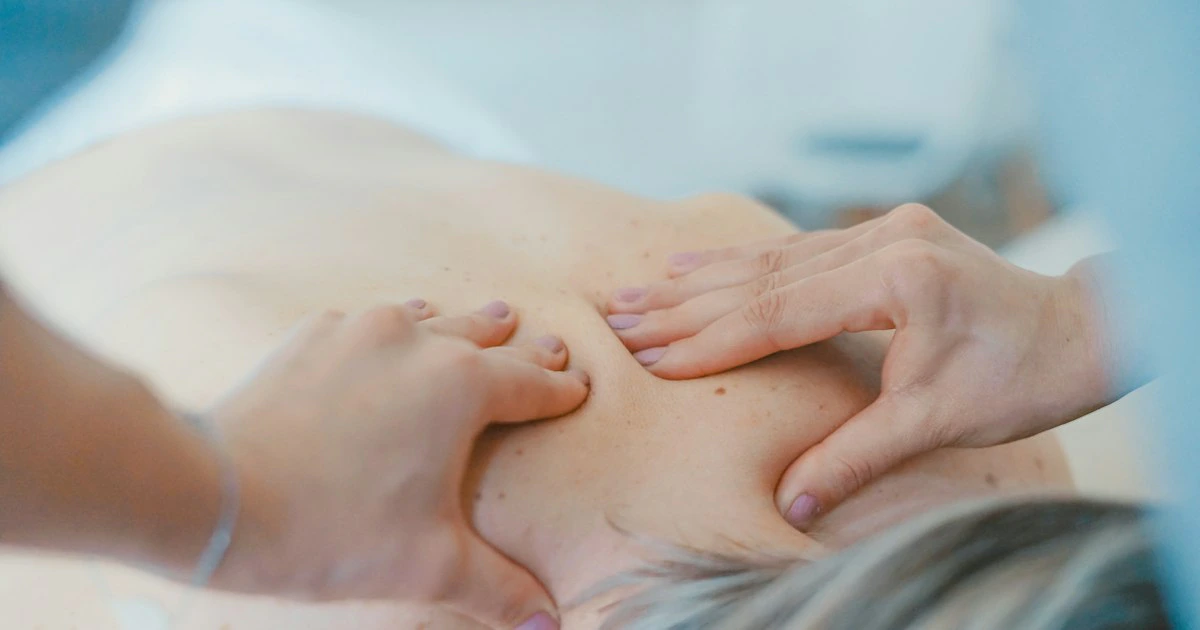
Heat is the comforting one. When you place something warm against an aching joint or a tight lower back, the warmth encourages blood vessels to open and blood flow to increase. That extra circulation helps relax tense muscles and ease the kind of deep, nagging stiffness that so often comes with chronic pain.
This is why heat tends to feel right for the slow, grinding aches: morning stiffness, a back that seizes after sitting too long, joints that feel locked rather than inflamed.
The soothing effect is real and measurable. The Arthritis Foundation notes that people with arthritis and fibromyalgia who did warm water exercise two or three times a week moved more easily and had as much as 40 percent less pain. You do not need a warm pool to borrow some of that comfort. A hot water bottle, a microwavable wheat pack, or a warm bath can all offer a gentler version of the same relief.
A few simple ways to bring heat in:
- A wrapped hot water bottle or heat pad on a stiff back or hip
- A warm bath or shower first thing, to loosen morning stiffness before salah or before the school run
- Gentle warmth before restorative movement, so your body feels readier to move
If stiff joints make even gentle movement feel daunting, you may find our guide to modest, hijab-friendly workouts for stiff joints a soft place to start.
When cold therapy reduces swelling and acute pain
Cold is the calming one. Where heat opens things up, cold does the opposite: it narrows blood vessels, which helps bring down swelling and dulls the sharp, hot, insistent kind of pain.
Think of cold as your choice for the newer, angrier pain. A joint that has flared up red and puffy. A back you tweaked lifting a child or a shopping bag. The ache that arrives after you have done a little too much on a better day. In these moments, cold helps settle the inflammation rather than feed it.
As a general rule, cold is most useful in the first couple of days of a new injury or a sudden flare, while swelling is still building. The NHS suggests holding a cold pack, such as frozen peas wrapped in a tea towel, against a painful area for up to 15 minutes, every few hours, always with a layer of cloth to protect your skin.
Cold can also be a quiet ally after activity. If you have been pacing yourself carefully and still feel a flare coming on afterwards, a short cold session can take the edge off. Our post on pacing yourself to avoid chronic pain flare-ups sits naturally alongside this, because preventing the flare and soothing it are two halves of the same care.
Choosing the right option for your symptoms
Here is a simple way to decide, without overthinking it.
Ask yourself what the pain is doing right now:
- Does it feel stiff, tight, or dull, like a knot that will not loosen? Lean towards heat.
- Does it feel sharp, hot, swollen, or freshly injured? Lean towards cold.
- Has it been there for weeks or months as a steady ache? Heat is usually the kinder companion.
- Did it flare up suddenly in the last day or two? Cold often settles it first.
And if you are genuinely unsure, you are allowed to experiment. Try whichever one feels comforting for a short, careful trial, and notice how your body responds afterwards. Your own experience is good information. Over time you will build a quiet sense of which your body reaches for on which kind of day.
A small reflective question worth sitting with: when your pain speaks up, are you choosing a remedy, or are you reaching for whatever is nearest in a moment of frustration? There is no shame in either. But a pause, even a breath of istighfar before you decide, can turn a reactive grab into a gentler act of care for the body Allah has entrusted to you.
Safe application times and precautions
Whichever you choose, the timing matters more than the intensity.
For most people, around 20 minutes at a time is a safe, sensible limit for either heat or cold. Longer is not better, and it can cause harm. Give your skin a proper break, at least an hour, before you reapply.
A few simple safeguards:
- Always put a thin towel or cloth between the pack and your skin. Never apply ice or a heat source directly.
- Check your skin partway through. If it looks very red, blotchy, or feels numb, stop and let it recover.
- Do not fall asleep with a heating pad on, because this raises the risk of burns.
Some conditions call for extra caution. If you have diabetes, reduced sensation in the area, poor circulation, or a condition like Raynaud's, your skin may not warn you quickly enough when something is too hot or too cold. In these situations, please check with your doctor or physiotherapist before using heat or cold at home.
This is the right moment for a gentle reminder: heat and cold are comfort tools, not cures, and they sit alongside your medical care rather than replacing it. Coaching and self-care support work the same way. The Chronic Shift exists to help you live more fully alongside your condition, through a compassionate Islamic lens, but we always encourage you to keep your medical team close. If explaining your day-to-day reality to the people around you feels hard, our guide on explaining invisible illness to your family may help.
Combining both approaches throughout a flare
You do not have to pick a side for good. One of the most practical things to learn is that heat and cold can take turns across a single flare.
A flare often moves through stages. Early on, when a joint is swollen or a back injury is fresh, cold does the first job of calming the inflammation. Then, once the heat and swelling settle over the following days, stiffness tends to move in to take its place, and that is exactly when warmth becomes more soothing.
A gentle way to think about it:
- Day one or two of a new flare, with swelling or sharp pain: lean on cold, in short 20-minute sessions.
- As the sharpness fades and stiffness sets in: switch to heat to loosen tight muscles.
- Throughout: leave real gaps between sessions rather than flipping back and forth within minutes.
Listen to your body as the picture changes. The same flare can ask for cold in the morning and heat by evening, and following that shift is not indecision. It is attentiveness.
Small, sustainable shifts like these are the whole idea. You are not trying to defeat your pain in a single afternoon. You are learning to make a little more room for movement, for rest, for your children, and for your salah, one considered choice at a time. The next time a flare arrives, try keeping both a wrapped heat pack and a cold pack within easy reach, so that whichever your body needs, kindness is already close by.