If bending to the tap or standing at the sink leaves you bracing against pain, you can still make wudu, and you can do it seated, with help, or with a few simple tools. Wudu with limited mobility is a well-recognised situation in Islamic practice, and the ruling is clear: your worship adapts to your body, not the other way around.
This guide walks through gentle ways to wash when movement hurts, when tayammum (dry ablution) is the right choice, and how to set up your space so purification costs you less energy. None of this replaces medical advice, but it can make a daily act of worship feel reachable again.
Why wudu can become hard
Chronic back and joint pain changes ordinary movements. Leaning over a sink, lifting a foot, twisting to reach water: each of these can trigger stiffness, spasm, or a flare that lingers for hours.
You are not imagining the difficulty. Arthritis alone affects around 21.1% of US adults as of 2025, according to CDC FastStats, and the bending, stooping, and kneeling that traditional ablution asks for are among the hardest movements for people living with joint pain. If wudu has started to feel like a hurdle before you even reach the prayer mat, that is a physical reality worth adapting around, not a lapse in devotion.
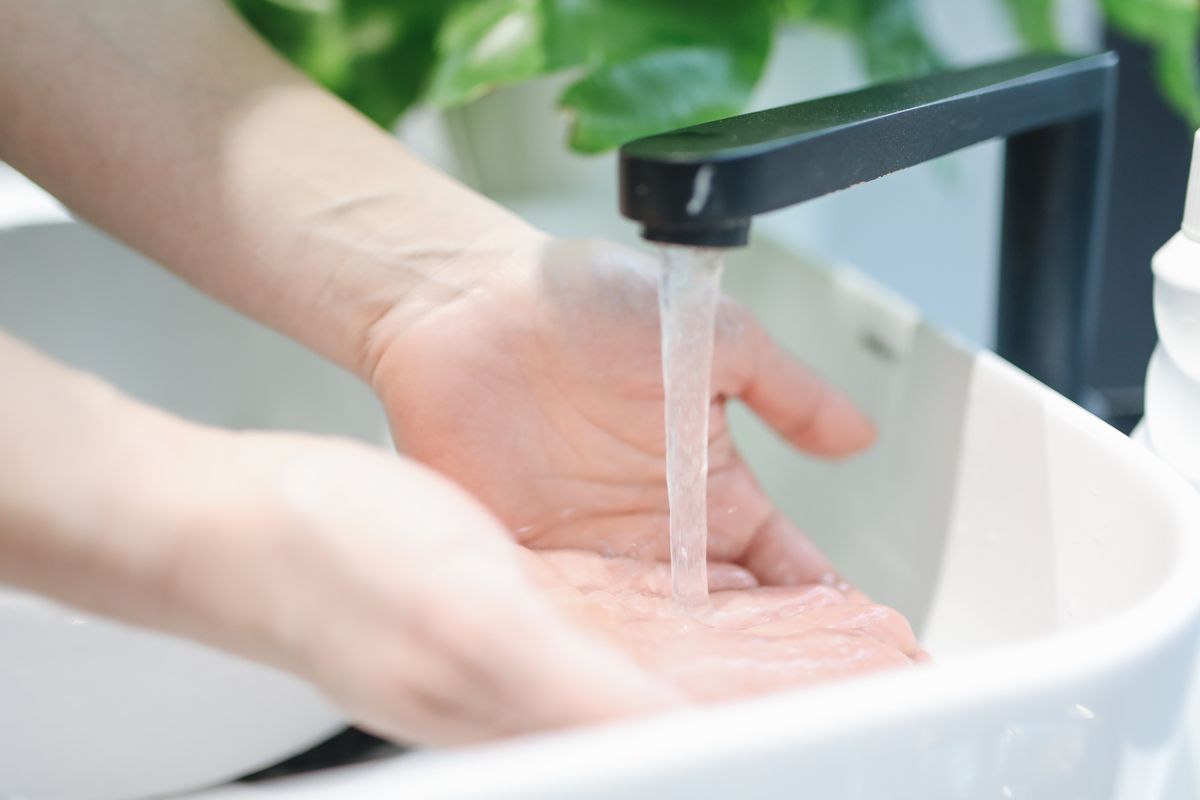
Adapting wudu with limited mobility when bending or standing hurts
Small changes often remove the sharpest edges of the strain. Start by noticing which single movement hurts most, then adjust that one first.
A few gentle shifts:
- Bring the water up, not your body down. Fill a small jug and pour over your hands, arms, and feet rather than reaching into a deep sink.
- Raise your foot to meet your hands. Rest your foot on a low step or the edge of the bath instead of bending all the way down.
- Break it into pauses. You do not have to complete wudu in one unbroken movement. Wash your face, rest, then continue.
- Pick your least painful time. If mornings are stiffest, prepare for prayer when your body is a little warmer and looser.
Pace matters more than speed. Treat each limb as its own small step, and let your breathing stay slow between them.
Seated and assisted methods for ablution
Sitting down to make wudu is completely valid. Place a sturdy stool or chair beside the sink, or sit on a shower bench with a basin and jug within reach.
Working seated, you can:
- Wash your hands and face over a bowl held in your lap or on a low table.
- Wipe your head while your arms are supported, so your shoulders do not carry the load.
- Lift each foot onto your opposite knee or a low stool to wash it without bending your spine.
Accepting help is also allowed. A spouse, adult child, or carer can pour water for you, steady a limb, or pass you a towel. Being helped does not lessen your wudu. If you also find prayer itself physically hard, our guide on how to pray salah comfortably with joint pain pairs naturally with these ablution adjustments.
If it helps, keep a simple seated order in mind so you are not pausing to remember the next step: wash your hands, rinse your mouth and nose, wash your face, then your arms, wipe your head and ears, and finish with your feet. Lay the limbs you need to wash in the sequence your body finds easiest to reach, and let the water do more of the work than your joints.
A short note from Aiza: for a long stretch I treated needing a stool as something to hide. Once I let myself sit, wudu stopped being the part of the day I quietly dreaded, and that calm carried into the prayer itself. The body that needs a little support is still a body making its way sincerely to Allah.
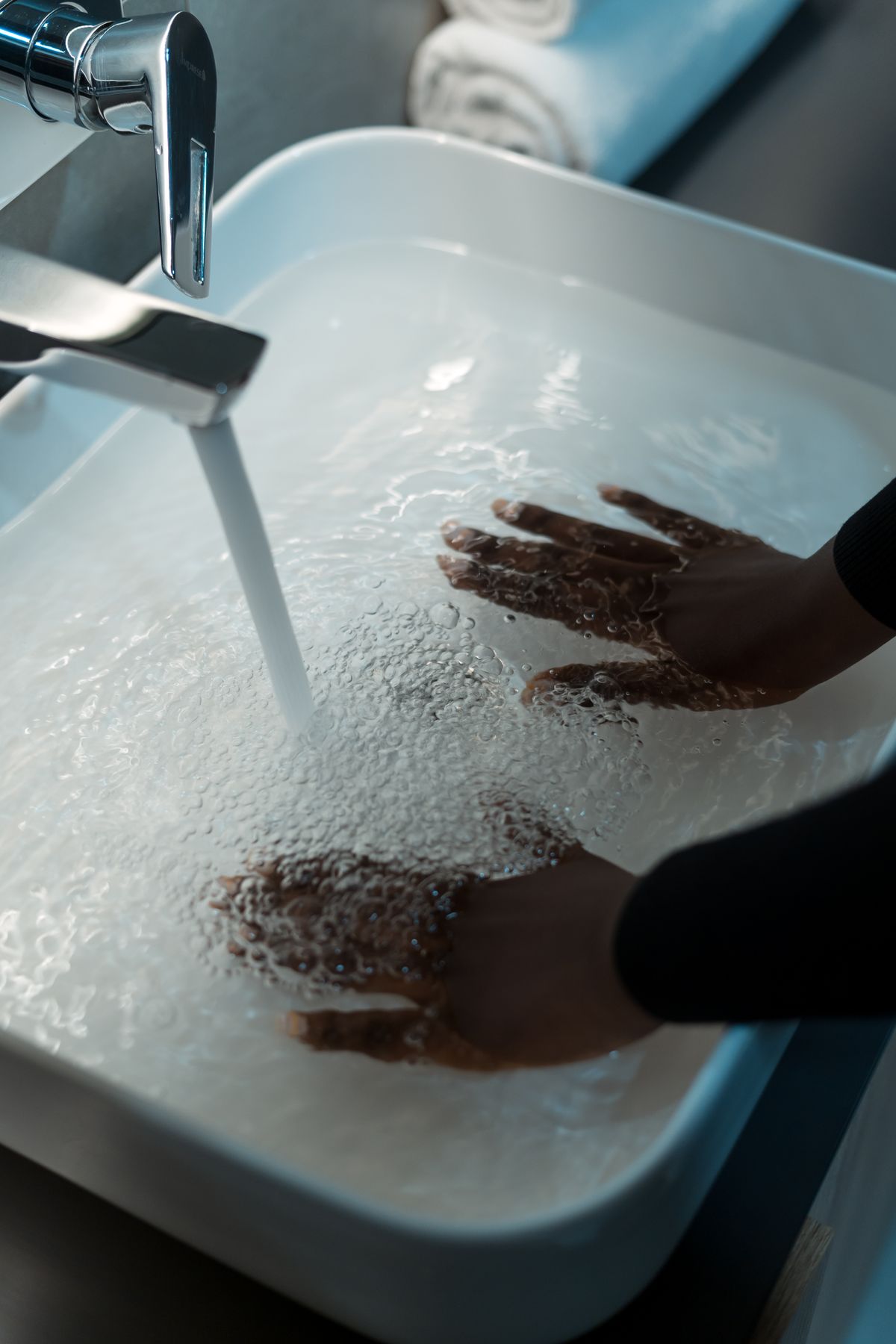
Understanding tayammum as a valid alternative
Tayammum is dry ablution using clean earth, sand, or dust, performed by wiping the hands and face. It is a concession Islam provides, not a lesser or improvised option.
Classical scholarship allows tayammum when water is unavailable, or when using water would cause you genuine harm or extreme hardship. Chronic illness fits this frame when washing would damage your condition or trigger a serious flare, and a doctor's confirmation that water causes real harm strengthens the ruling. The detailed conditions for the sick are set out by sources such as IslamQA on tayammum and prayer for the one who is ill.
What this means in practice:
- Ordinary inconvenience is not enough on its own; the threshold is real harm or severe difficulty.
- If only part of your body is affected, you may wash what you safely can and use tayammum or wiping for the rest.
- When you are unsure, ask a knowledgeable, trusted scholar about your specific situation rather than carrying the worry alone.
The point of the concession is mercy. It exists precisely so that illness never stands between you and your prayer.
Tools and setups that make wudu easier
A few low-cost items can quietly transform the whole routine. You do not need special equipment, just a setup that meets your body where it is.
Consider:
- A lightweight pouring jug so you control the water without reaching into a basin.
- A sturdy, non-slip stool or shower bench rated for your weight, with rubber feet.
- A non-slip mat on the floor to steady you and catch splashes.
- A long-handled sponge or jug to reach your feet without folding forward.
- A tap you can turn easily, such as a lever handle or a tap turner, if gripping is painful.
- A towel kept within arm's reach so you are not twisting or standing to find one.
Set everything out before you begin, so the whole act flows in one calm sequence rather than several painful trips. Keeping these items permanently within reach means you never have to rebuild the setup when a flare arrives.
Keeping worship accessible without guilt
Perhaps the hardest part is not the movement at all. It is the quiet feeling that adapting means falling short.
Let that feeling rest. Islam deliberately builds in concessions for the sick and the limited, and choosing to sit, to be helped, or to make tayammum is accepting a mercy that was designed for you. Worship was never meant to injure the worshipper.
Reflect gently for a moment: what is one adjustment you have been resisting out of guilt rather than need? Naming it is often the first step to letting it go. The weight you may be carrying about falling short is usually heavier than the concession Allah has already extended to you.
At The Chronic Shift, this is exactly the kind of small, sustainable shift we work through with Muslim women, blending restorative movement, acceptance-based tools, and a compassionate Islamic lens so that worship stays within reach alongside pain.
This week, choose one change from this guide: set a stool by the sink, fill a jug the night before, or ask a loved one to help with a single step. Make that one adjustment, keep it for a few days, and notice how much lighter the path to the prayer mat becomes.