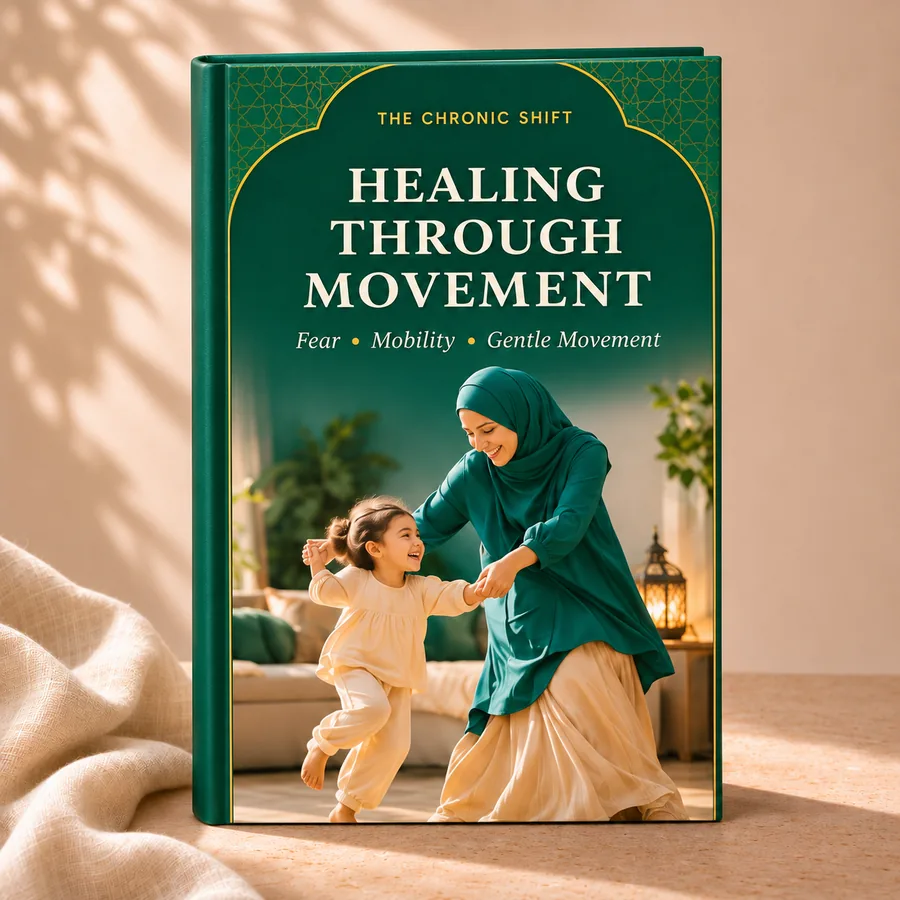
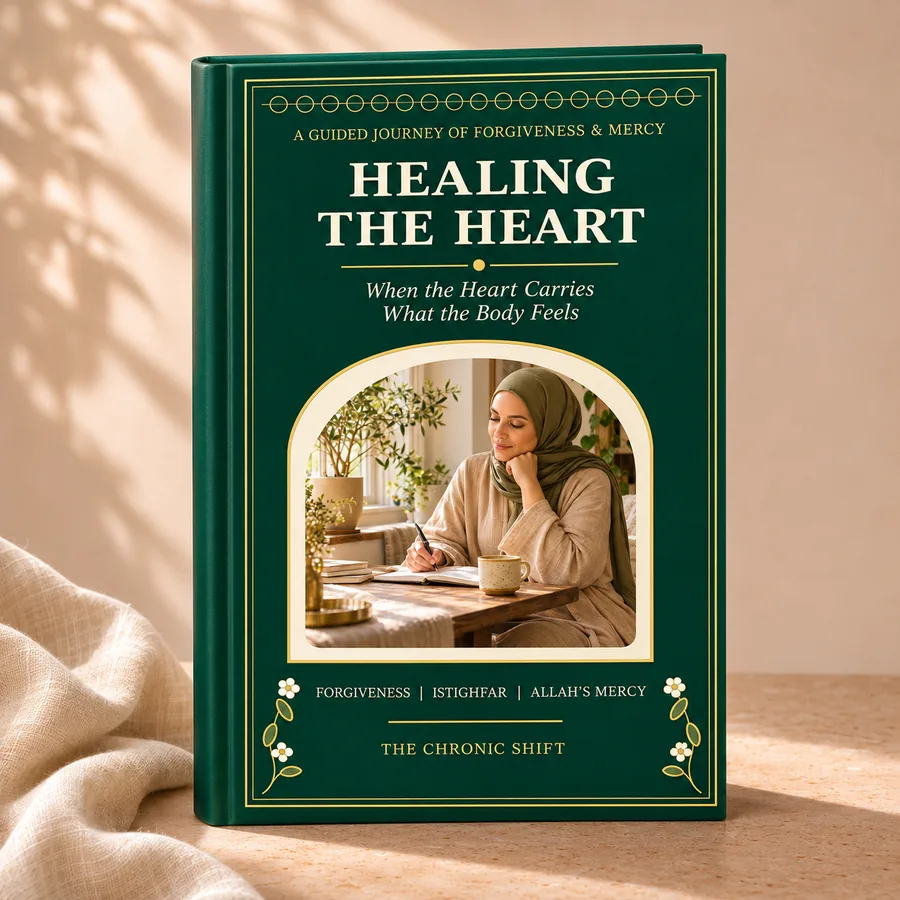
A pain-friendly prayer space is a small, fixed corner of your home arranged so that standing, sitting, and sujood cost you as little strain as possible. You do not need a spare room or anything expensive. You need a spot close to where you already spend time, something firm to sit or kneel on, and your essentials kept within reach so pain is not the thing standing between you and your salah.
If you live with chronic back or joint pain, you already know how much energy the setup can take before you even say "Allahu akbar." Arthritis alone affects 21.1% of US adults aged 18 and older, according to the CDC, so if your knees, hips, or lower back protest at prayer time, you are far from alone. This guide walks through five gentle changes that make prayer feel more possible on the harder days.
A quick, honest note from me, Aiza: the aim here is to remove friction, never to push you through pain. Islam already makes room for you to pray sitting or lying down when standing hurts. Setting up your space well simply honours that mercy instead of fighting against it.
Choose a location that minimises movement and strain
Start with where your prayer space lives, because every extra step you take is energy spent before worship even begins.
Pick a spot close to where you spend most of your day. If you rest on the sofa or work at a particular table, your prayer corner should be a few soft steps away, not up a flight of stairs or across the house. The goal is to shorten the journey between "it is time to pray" and "I am praying."
A few things to look for when you choose the spot:
- A clear patch of wall you can lean on or steady yourself against when you lower down and get back up.
- A floor that is level and not slippery, so you feel secure in ruku and sujood.
- Room to place a chair beside your mat, so you can switch between sitting and floor prayer without rearranging anything.
- Being near a socket if you plan to use a heated pad or lamp.
Try to avoid draughty doorways and cold tiled floors, which stiffen joints and make the first movement harder. A spot near natural light but away from a cold window is often the sweet spot.
Cushions, chairs, and supports for comfortable worship
Once the location is settled, build up the supports that let your body pray in whatever posture it can manage today.
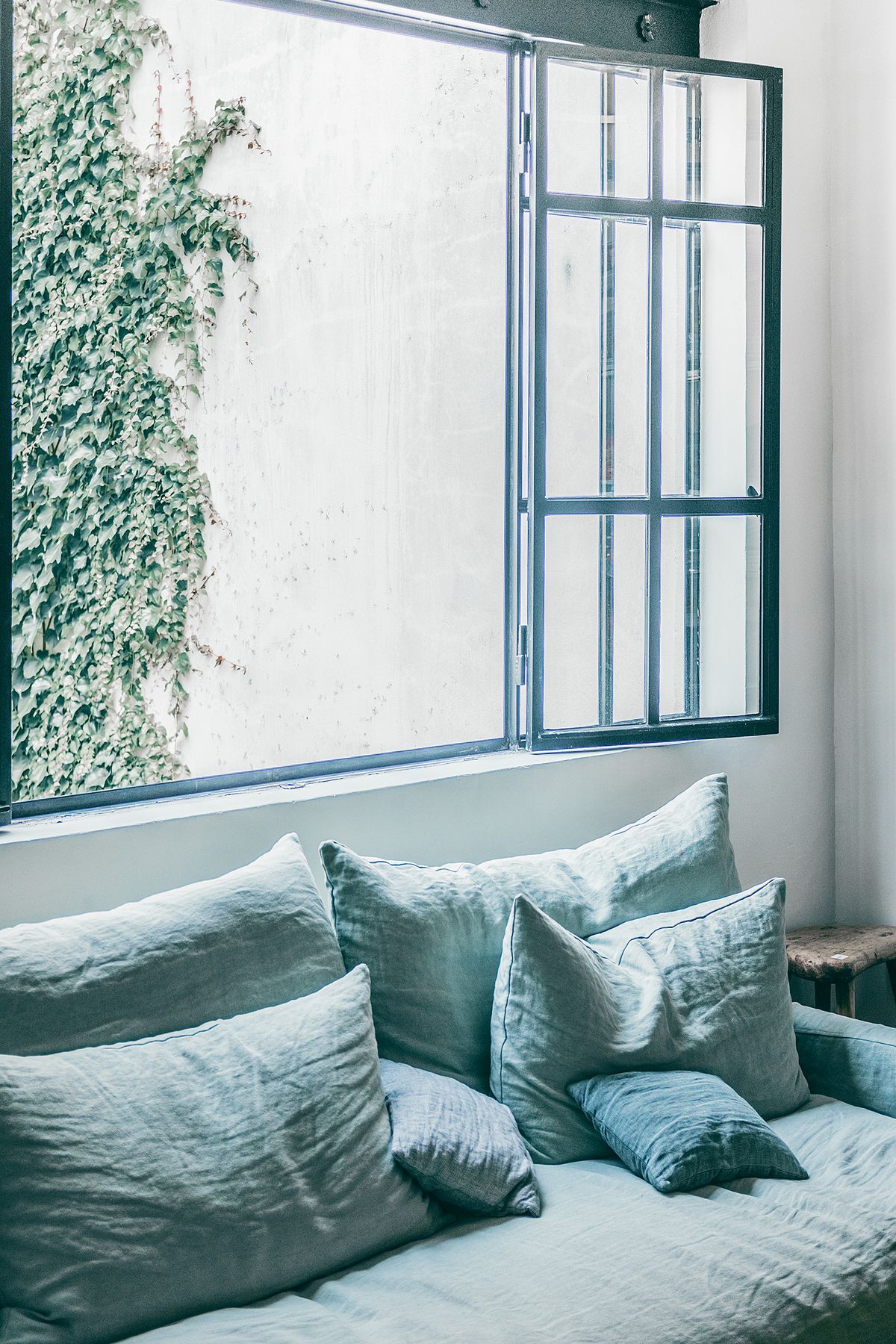
The floor is kind to no one's knees after a certain point, so cushion it generously. A firm prayer mat laid over a thicker rug or a folded blanket gives your knees and the tops of your feet something forgiving to rest on during sujood. Firm cushions hold their shape and support you better than soft, sinking ones.
Think about keeping a small set of supports ready:
- A thick knee pad or folded towel to slide under sore knees.
- A firm cushion or bolster to sit on, which takes pressure off your hips and lower back during tashahhud.
- A rolled towel for lumbar support if you pray seated against a wall or chair.
Keep a sturdy, stable chair in the space too. Praying from a chair when standing or kneeling is painful is completely valid, and having the chair already there means you never have to decide between praying on time and protecting your body. If you want a fuller walk-through of adapting each posture, our guide on how to pray salah comfortably with joint pain covers seated and supported options in detail.
Keep essentials within easy reach
Bending and reaching for forgotten items is one of the quietest drains on your energy, so gather everything in one place.
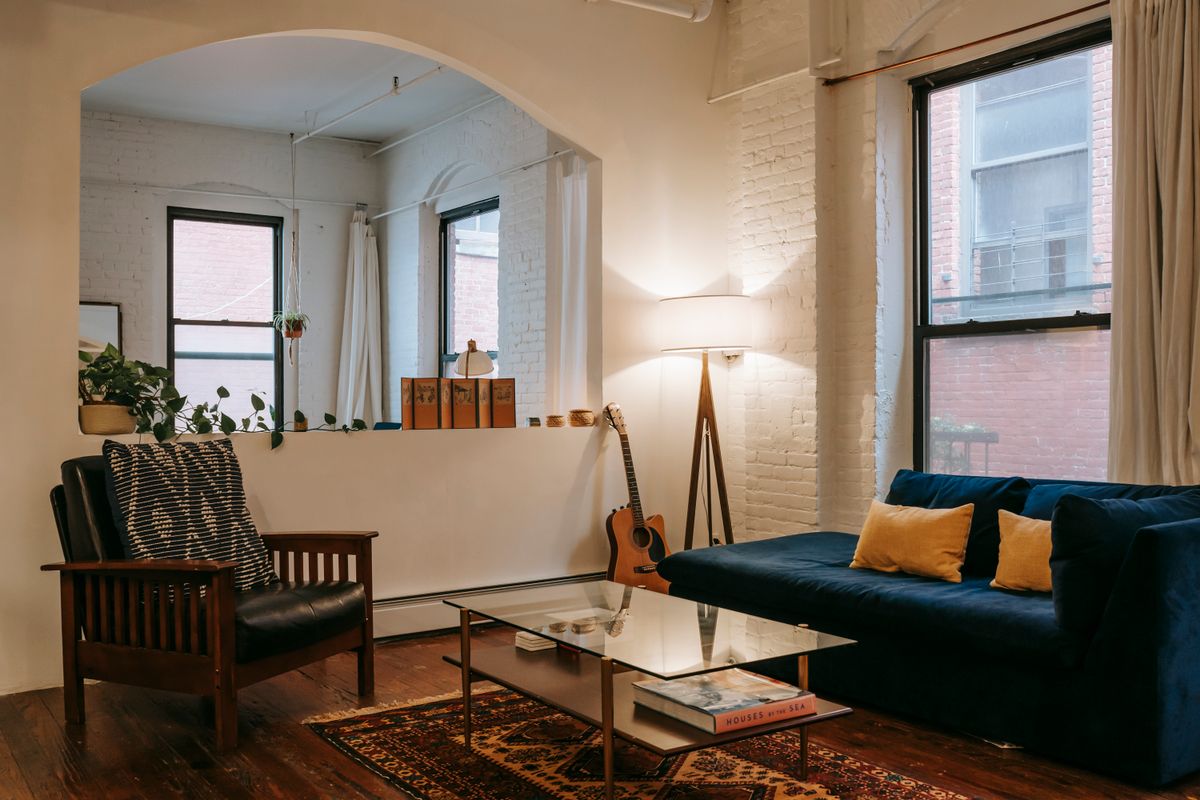
The idea is simple: everything you need for wudu and salah lives in or beside your prayer corner, at a height you can reach without twisting or stooping. A small side table, a shelf, or a basket on a low stool all work well.
Keep these close:
- Your prayer mat, folded and ready rather than stored away in another room.
- A copy of the Quran or your phone with your tasbih and dua apps, so dhikr flows straight into your prayer.
- A bottle of water and a tissue, which matter on days when getting up again is costly.
- Any mobility aids, a grabber, or a stool you lean on to lower down and rise.
If making wudu is part of the strain, setting up a reachable corner pairs well with the practical adaptations in our post on making wudu with limited mobility. The less you have to fetch, the more steady and present your prayer can be.
Lighting and warmth to ease stiff joints
Cold and glare both work against a sore body, so shape the light and temperature to soothe you.
Warmth loosens stiff joints and makes that first movement into prayer gentler. Keeping your prayer corner a little warmer than the rest of the room, with a heated pad, a warm blanket draped over your shoulders, or a small heater nearby, can take the edge off the stiffness before you begin. Many women find a few minutes of warmth beforehand makes ruku and sujood noticeably easier, and you can read more on how temperature helps in our guide to heat versus cold therapy for back and joint pain.
For lighting, aim for soft and even rather than harsh. A warm lamp in the corner is kinder than a bright overhead light shining down, especially if brain fog or fatigue leaves your eyes tired. Even, gentle light also helps you feel calm and settled, which matters for staying in the space long enough to pray without rushing.
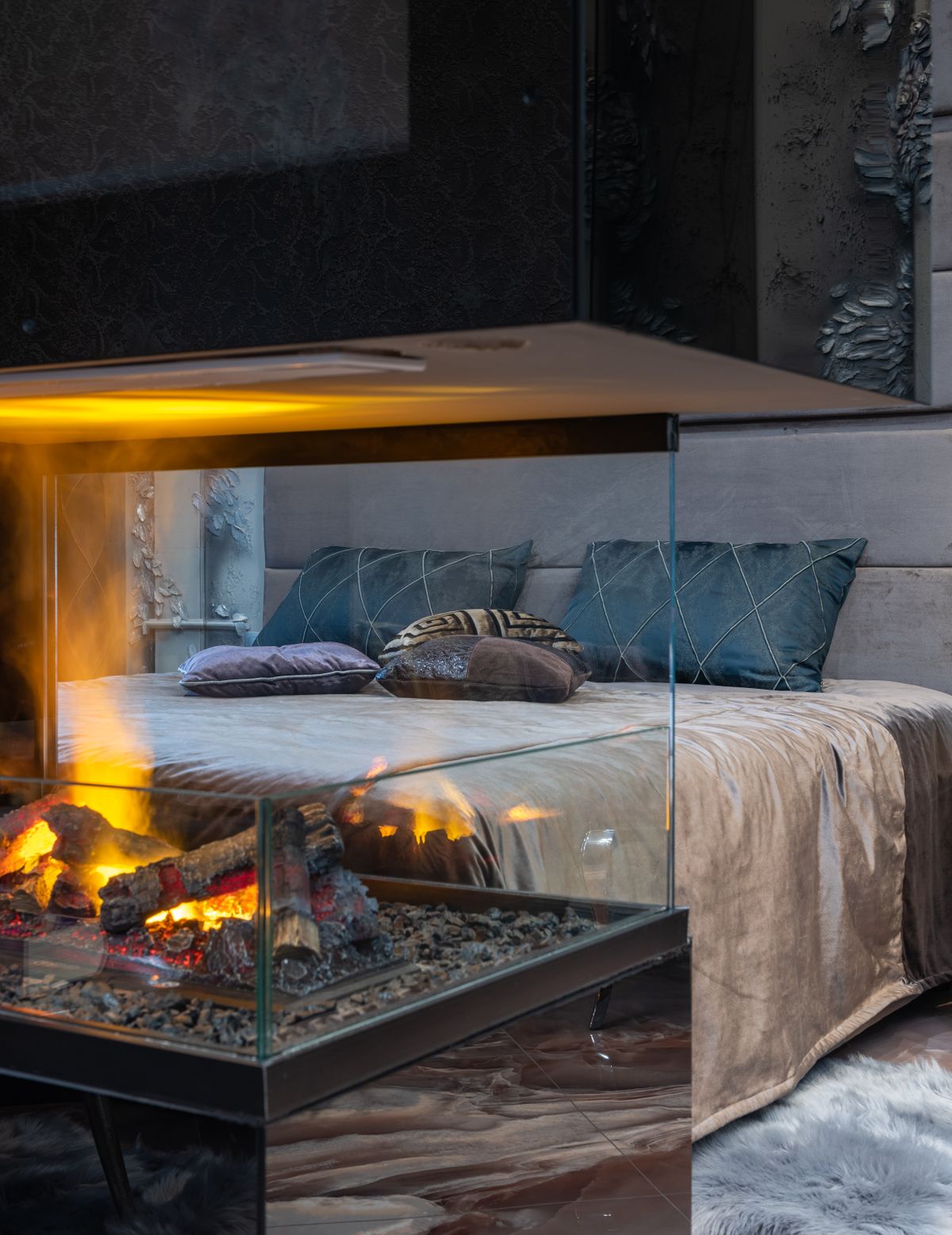
Make your pain-friendly prayer space one you return to
The last step is less about the body and more about the heart: make the corner somewhere you want to return to, five times a day.
When a space feels peaceful, you go to it more readily. That consistency is where the real benefit lives. Contemplative practices such as meditation have been shown in recent clinical research to meaningfully improve how people cope with chronic pain over time, and for us, salah and dhikr carry that same steadying rhythm alongside their deeper meaning and the mercy of standing before Allah.
A few gentle touches can make the corner feel like yours:
- Keep it tidy and uncluttered, so it reads as a place of rest rather than another chore.
- Add something that softens the space: a plant, a calming colour, a scent you associate with calm.
- Keep a small reminder nearby, perhaps a short dua you want to sit with, to invite reflection.
Ask yourself: what would make me glad to come back to this spot even on a heavy day? Let the answer guide you. Pairing your space with dhikr you find comforting, like the gentle rhythm of istighfar, can turn the corner into a genuine refuge. Our collection of dua and dhikr for comfort during chronic pain is a soft place to start.
A kind next step
Choose one change from this guide and make it today. Perhaps that is laying a folded blanket under your mat, or moving a chair beside it, or setting a warm lamp in the corner. One small shift, kept up, does more than a perfect setup you never quite finish.
If you would like company while you adapt your worship and your days around pain, that is exactly what we hold space for at The Chronic Shift, where faith and practical, compassionate support sit side by side. Coaching complements your medical care, it never replaces it, so keep your clinical team close as you make these changes. And be gentle with yourself: Allah sees the effort it takes you to pray, and that effort is never wasted.