Joint pain during Ramadan fasting usually comes down to a few manageable things: dehydration, changes in meal timing, and shifts in when you take your medication. With a little planning around suhoor, iftar and your fluids, many women find they can fast more comfortably, and the ones who cannot fast have a clear, faith-rooted path to care for themselves instead.
If you live with chronic back or joint pain, you already know how much energy a normal day can take. Ramadan adds a new rhythm on top of that. This guide walks you through what the long fasting hours may be doing to your body, the food and hydration choices that tend to help, when an exemption genuinely applies, and how to hold your spiritual goals and your physical limits in the same gentle hand.
A note before we begin: everything here is general information, not medical advice. Please review any changes with your own doctor or pharmacist, especially around medication.
How Does Fasting Affect Inflammation and Joint Pain?
The honest answer is that it depends on the person. Daily fasting of the Ramadan kind is not the same as going without food for days, and some research suggests short daily fasts may gently influence inflammation in certain people. Other studies point in different directions, so no one can promise you less pain simply from fasting.
What tends to matter more day to day is hydration. Your cartilage, the smooth tissue cushioning your joints, is 65-80% water (CreakyJoints, 2008). When fluid levels drop over a long fasting day, joints can feel stiffer and more tender.
As rheumatologist Dr. Magdalena Cadet explains on the same page, drinking water helps the body produce synovial fluid and lubricate cartilage, which can reduce joint inflammation. During Ramadan you simply shift that drinking into the hours of darkness, which takes a bit of planning.
Some women notice their pain eases on a steadier eating pattern. Others feel more stiffness by late afternoon. Neither reaction means you are doing Ramadan wrong. It means your body is giving you information to work with.
What Suhoor and Iftar Choices Support Your Joints?
Think of suhoor and iftar as your two chances to steady your body for the hours ahead. Balanced meals help keep your energy even and may ease the stiffness that comes with long gaps between eating. The goal is slow fuel, not heavy fuel.
At suhoor, reach for protein and slow-release carbohydrates. Eggs, Greek yoghurt, oats, wholegrain bread and beans release energy gradually, so you are less likely to crash mid-morning. Add anti-inflammatory foods where you can, such as oily fish, olive oil, nuts and plenty of colourful vegetables.
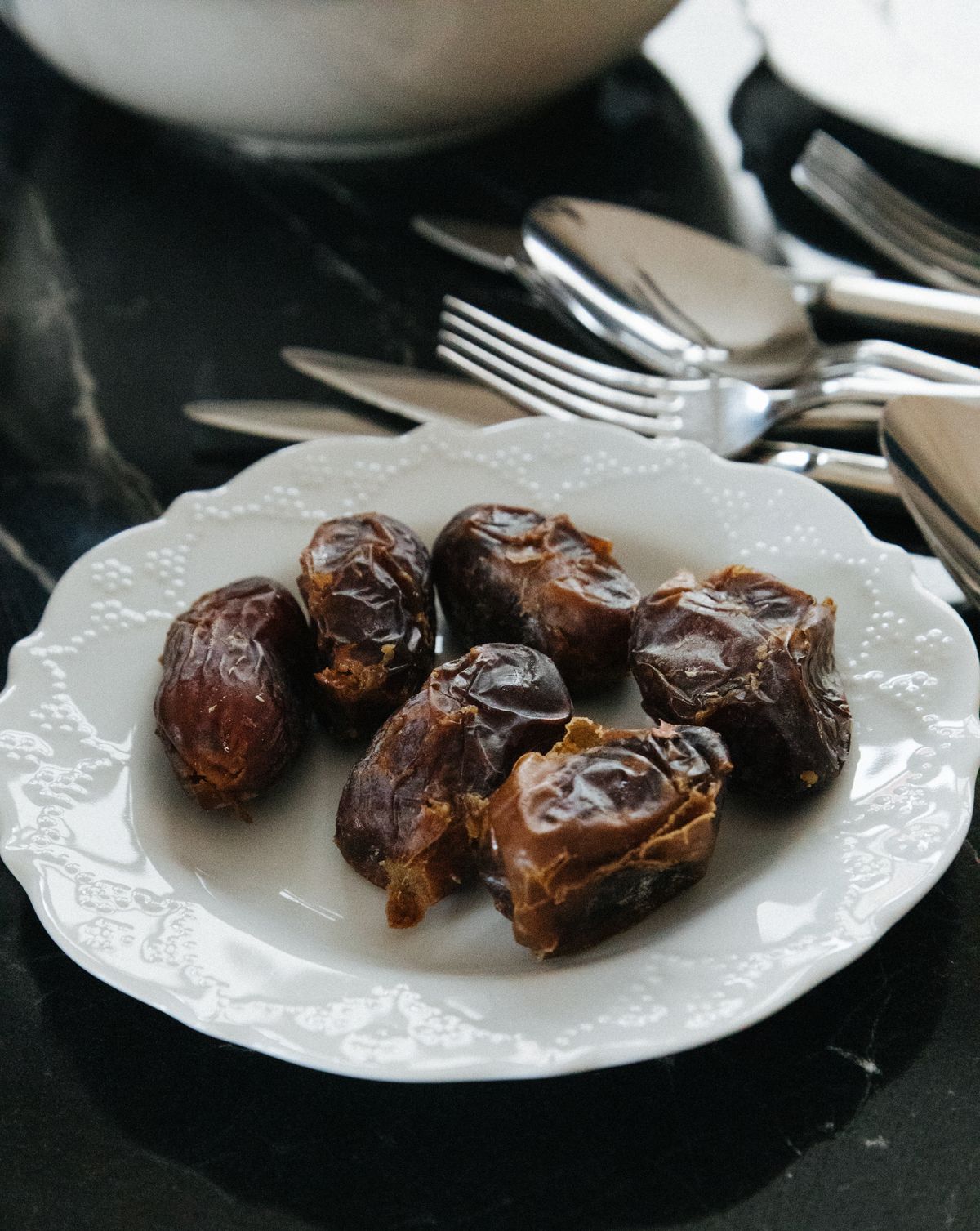
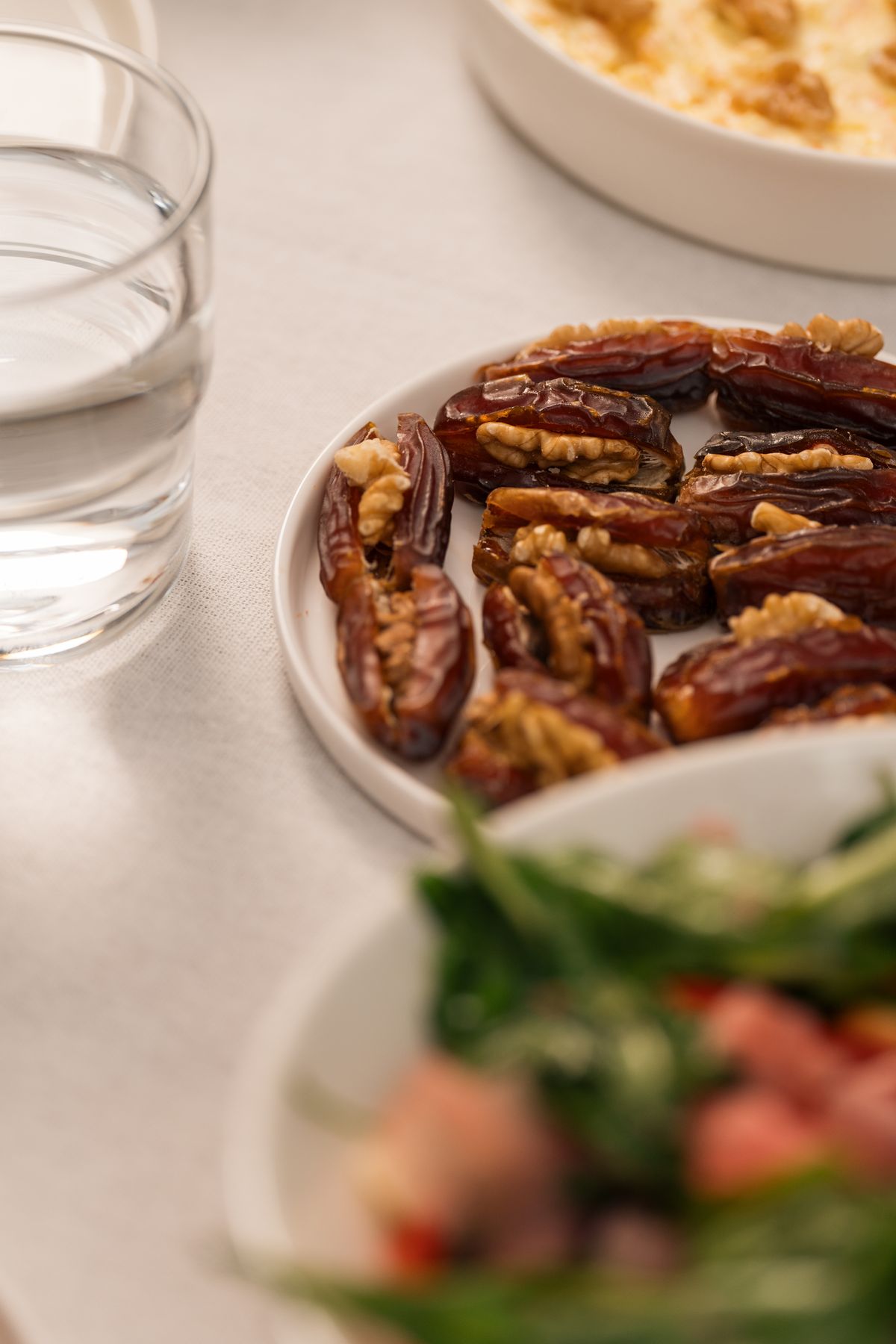
At iftar, the Sunnah of breaking your fast with dates is also kind to your body, giving you quick natural sugars and a little fibre. Follow with water and a light starter such as soup before a balanced main meal. Easing in gently is softer on your digestion than a large, rushed plate.
Try to go easy on very salty, fried and heavily processed foods. They can leave you thirstier through the fasting day and heavier afterwards, neither of which helps aching joints.
For a fuller list of everyday options, our guide to anti-inflammatory halal foods that help joint pain gives you simple swaps you can carry into Ramadan and keep long after.
How Should You Handle Hydration and Medication Timing?
Hydration and medication are the two practical levers that make the biggest difference to joint comfort during Ramadan. Because cartilage holds so much water, letting yourself run dry across a long day can leave joints stiff, so the aim is to rehydrate steadily once the fast opens.
General guidance suggests women aim for around 2.7 litres of fluid a day (CreakyJoints, 2008), though your own needs may differ. The trick during Ramadan is spreading that intake across the hours between iftar and suhoor rather than gulping it all at once, which simply passes through you.
A few gentle habits help:
- Keep a water bottle beside you from iftar to suhoor and sip often.
- Lean on water-rich foods such as soup, fruit, salad and yoghurt.
- Go easy on strong coffee and sugary drinks, which can leave you more dehydrated.
- End suhoor with a good glass of water, not just tea.
Medication needs its own conversation. Many pain and anti-inflammatory medicines can be moved to night-time or once-daily dosing, but only your doctor or pharmacist should make that call. Book that chat well before Ramadan so there is time to adjust safely.
Timing your rest matters too. If stiffness peaks at certain hours, planning your salah and daily tasks around your better windows can protect your energy. Pacing yourself gently through the day pairs well with the Ramadan routine.
When Do Exemptions From Fasting Apply?
Islam makes real room for those whose health would be harmed by fasting. The Quran (2:184-185) tells us that someone who is ill, or on a journey, may break the fast and make up the same number of days later, with the reminder that Allah intends ease for you, not hardship.
That mercy is not a loophole. It is part of the faith itself. If fasting would worsen your condition, trigger severe flares, or clash with medication your body genuinely needs, taking the exemption is an act of obedience, not failure.
For some women with long-term conditions, making up the days later is realistic. For others whose illness is ongoing, scholars point to fidyah, feeding a person in need for each missed day, as the path when fasting is not possible. A trusted scholar can help you apply this to your own situation with confidence.
Please speak to your doctor about whether fasting is safe for you, and let that medical guidance inform your decision. Caring for the body Allah entrusted to you is itself worship, and finding sabr through a long-term condition can soften the guilt that sometimes creeps in.
How Do You Balance Spiritual Goals With Physical Limits?
You can hold your love for Ramadan and the reality of your body at the same time. The month is not a test of how much pain you can push through. It is an invitation to draw closer to Allah in whatever way your health allows, and that invitation stays open on your hardest days.
If full fasting is not possible, your worship does not pause. Dhikr, dua, listening to the Quran, charity and intention all carry weight. A woman resting on the sofa making istighfar is still deep in the heart of Ramadan.
Lower the bar where you need to. Shorter standing in prayer, seated salah, a lighter schedule and earlier nights are all valid. Trying to match someone else's Ramadan while ignoring your own limits usually ends in a flare that costs you more days than it saves.
Let go of the idea that visible effort equals acceptance. Allah sees the woman who quietly adjusts her worship to protect her health, and He sees her intention.
At The Chronic Shift, this is the heart of our work with Muslim women: blending functional nutrition, acceptance-based approaches and restorative movement through a compassionate Islamic lens, so you can make more room for faith and life alongside chronic pain. Coaching sits beside your medical care, never in place of it.
A small, steady next step beats a grand plan you cannot keep. Before Ramadan begins, pick one thing from this guide, perhaps a hydration routine or a medication review with your pharmacist, and set it up this week. Then, if it would help to walk through the month with support, explore our faith-based pain management support for Muslim women and take it one gentle shift at a time.