If joint pain shapes your days, the food on your plate can be a quiet ally. Certain anti-inflammatory halal foods, like oily fish, olive oil, colourful vegetables, and nuts, are linked with calmer inflammation and gentler joints, and they fit comfortably within a halal kitchen.
You deserve small, doable shifts that honour your body, your faith, and your energy, free of cure-chasing and punishing rules. Pain is heavy enough without a diet that adds guilt. So let's keep this warm, practical, and realistic.
I'm Aiza, and I know how exhausting it feels to be told to "just eat better" when getting through the day already takes everything you have. Let's go gently.
How Inflammation Connects To Chronic Joint Pain
Inflammation is your body's natural response to harm, but when it lingers, it can keep joints sore, stiff, and swollen. Arthritis alone affects nearly 60 million adults and children in America, roughly 1 in 4 adults (Arthritis Foundation, 2025). That scale tells you something important: you are far from alone in this.
Short-term inflammation helps you heal. The trouble starts when it becomes low-grade and constant, quietly fuelling pain and that bone-deep tiredness so many women describe.
Food is one of the few levers you can adjust from home. What you eat will not switch inflammation off like a tap. Over weeks and months, though, a steady pattern of nourishing meals can help create a calmer internal environment.
Have you noticed your joints feel different after certain meals or long stretches of low energy? That gentle noticing, without judgement, is a useful place to begin.
Halal Anti-Inflammatory Foods To Add To Your Plate
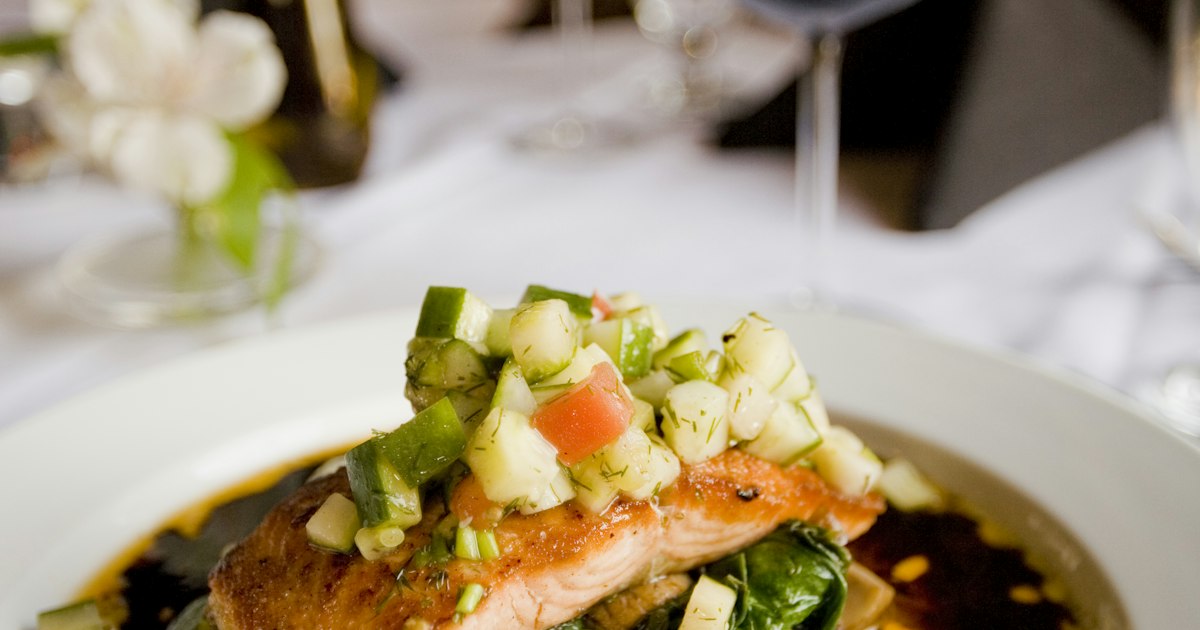
The most studied anti-inflammatory halal foods are simple, familiar, and widely available. Extra virgin olive oil is a standout: according to the Arthritis Foundation, it contains a compound called oleocanthal that works on the same COX enzymes as ibuprofen. A drizzle on vegetables or salad is an easy daily habit.
Rather than overhauling everything, think about gently crowding in more of these:
- Oily fish: salmon, sardines, and mackerel are rich in omega-3 fats. The Arthritis Foundation notes that omega-3s help ease joint stiffness, tenderness, and swelling.
- Extra virgin olive oil: your everyday cooking and dressing fat.
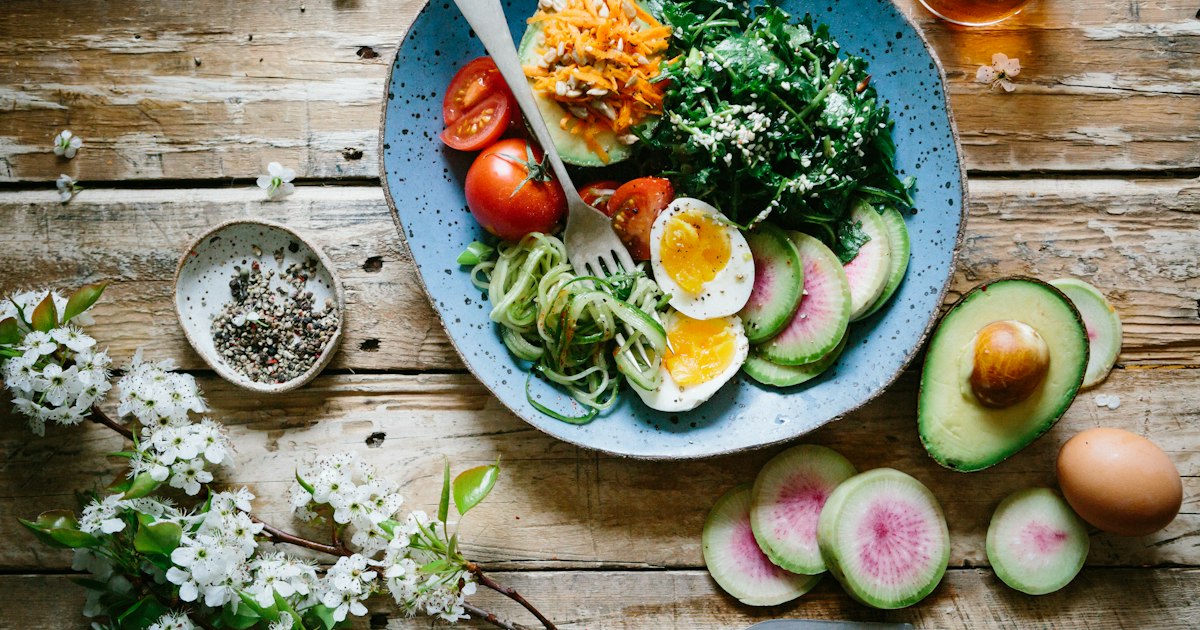
- Colourful vegetables and leafy greens: spinach, broccoli, peppers, carrots, and tomatoes.
- Berries and other fruit: strawberries, blueberries, and pomegranate add natural sweetness and plant compounds.
- Unsalted nuts and seeds: walnuts, almonds, and flaxseed.
- Wholegrains and legumes: oats, brown rice, lentils, and chickpeas.
Harvard Health groups many of these same foods, from fatty fish to leafy greens and olive oil, among those that help fight inflammation (Harvard Health, 2026). The overlap is reassuring: you do not need exotic or expensive ingredients.
All of these sit easily within halal eating. Fish, fruit, vegetables, legumes, oils, nuts, and seeds need no special certification. For any processed or packaged versions, a quick check of the label keeps things simple.
When I started adding a tin of sardines to my lunch twice a week, the change felt almost too small to count. Months later, it had quietly become a habit I did not have to think about, and that is often how the gentlest shifts take root.
Foods And Habits That May Worsen Inflammation
Some everyday foods can nudge inflammation in the wrong direction, especially when they crowd out more nourishing options. The usual suspects are ultra-processed snacks, sugary drinks, and refined carbohydrates like white bread and many packaged treats. These tend to spike blood sugar and offer little the body can use for repair.
This is where shame often creeps in, so let's set it aside. You do not need to banish these foods or label them "bad". Extreme rules rarely survive a painful, exhausting week, and they can make eating feel like another failure waiting to happen.
A softer approach works better: notice how often the less helpful foods appear, then gently reduce the frequency. Swap one sugary drink for water with lemon. Choose wholegrain bread more often than white. Keep cut fruit visible so it becomes the easy reach.
Highly processed meats and foods heavy in trans fats are worth limiting too, both for inflammation and general heart health. Again, the aim is "less often", not "never".
Which single swap feels genuinely doable for you this week? One is enough. Small, repeated shifts tend to outlast dramatic overhauls.
Simple Meal Ideas That Are Gentle On Painful Days
On high-pain days, nourishing yourself should take minutes, not energy you do not have. The best anti-inflammatory halal foods for these days are the ones already prepped, tinned, or frozen. Leaning on convenience here is simply good self-care.
Try keeping a few of these ready:
- Breakfast: overnight oats with frozen berries and a spoon of yoghurt, made the night before.
- Lunch: tinned sardines or mackerel on wholegrain toast, with a drizzle of olive oil.
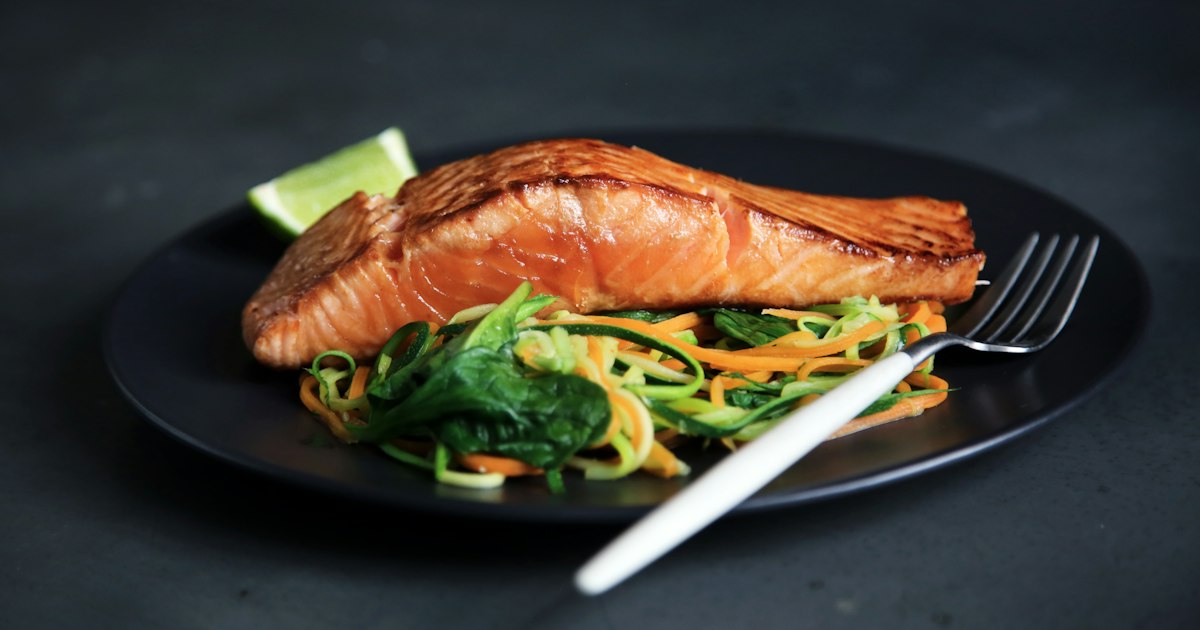
- Dinner: a tray of roasted vegetables and salmon, or a quick lentil soup from a batch in the freezer.
- Snacks: a handful of walnuts, dates, or sliced fruit within arm's reach.
Batch cooking on a better day is a gift to your future self. A double pot of soup or a tray of roasted vegetables can quietly feed you through several hard days without any further effort.
Frozen vegetables and berries are just as nourishing as fresh, often cheaper, and they wait patiently in the freezer until you need them. There is no shame in leaning on them.
Praying through pain carries its own weight. If salah already asks a lot of your joints, our guide on praying salah comfortably with joint pain offers gentle, practical adjustments to pair with how you nourish yourself.
Balancing Nutrition Goals With Realistic Energy Levels
Good nutrition only helps if it fits the life you actually have, fatigue, brain fog, and all. The most sustainable plan is the one you can keep on your hardest week, not your best one. So aim for "good enough and repeatable" rather than perfect.
Chronic fatigue and pain make decision-making harder, which is why ready staples matter so much. Fewer choices on a bad day means less mental load. A stocked cupboard of tinned fish, oats, frozen produce, and nuts does the thinking for you.
Be kind to the rhythm of your days. Some weeks you will cook with care; others, a piece of toast with sardines is a genuine achievement. Both count. Alhamdulillah for what your body manages, exactly as it is.
A gentle reminder: food supports your joints, it does not replace your medical care. Keep your GP or specialist in the loop, especially before big dietary changes or if you take medication. Nutrition is one supportive thread, woven alongside treatment, rest, movement, and faith.
If making these shifts alone feels heavy, you do not have to carry it by yourself. At The Chronic Shift, we blend functional nutrition with acceptance-based tools and a compassionate Islamic lens, helping you build small, lasting habits at a pace your body can meet. Support can make room for more of what matters: movement, connection, and your deen.
What is one nourishing food you could add to your plate this week, just one? Start there. Choose a single staple to keep on hand, place it where you will see it, and let that small shift settle before adding another. Your joints, and your future self, will quietly thank you.